
Systems
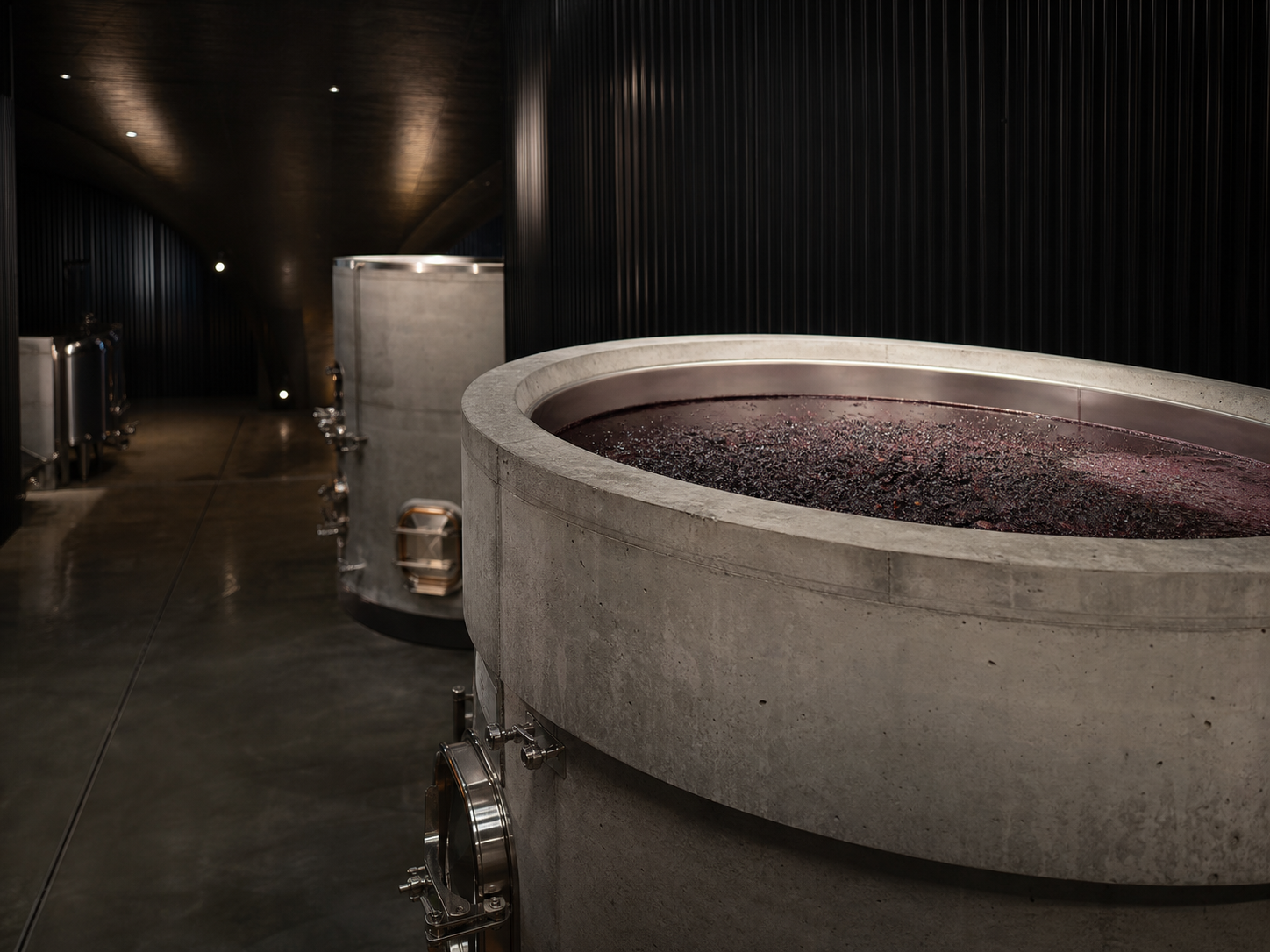
Open-top work needs openness and a boundary.
Everseal™ starts as a system conversation about keeping open-top fermentation expressive while giving the cellar a more deliberate protective boundary and more flexible tank roles.
The real pressure
The problem is not open-top fermentation. It is open work without enough confidence.
A winery may want the openness of open-top work without feeling that every quiet hour is unmanaged exposure.
When the boundary is unclear, the winemaker compensates with attention. The owner sees the same issue as utilization, role fragmentation, and equipment that can only do one job.
Protected openness
You want the wine to stay open without leaving the surface unmanaged.
Minimal intervention does not remove responsibility. The cellar still has to protect the surface environment enough that waiting remains a decision, not a gamble.
Flexible tank role
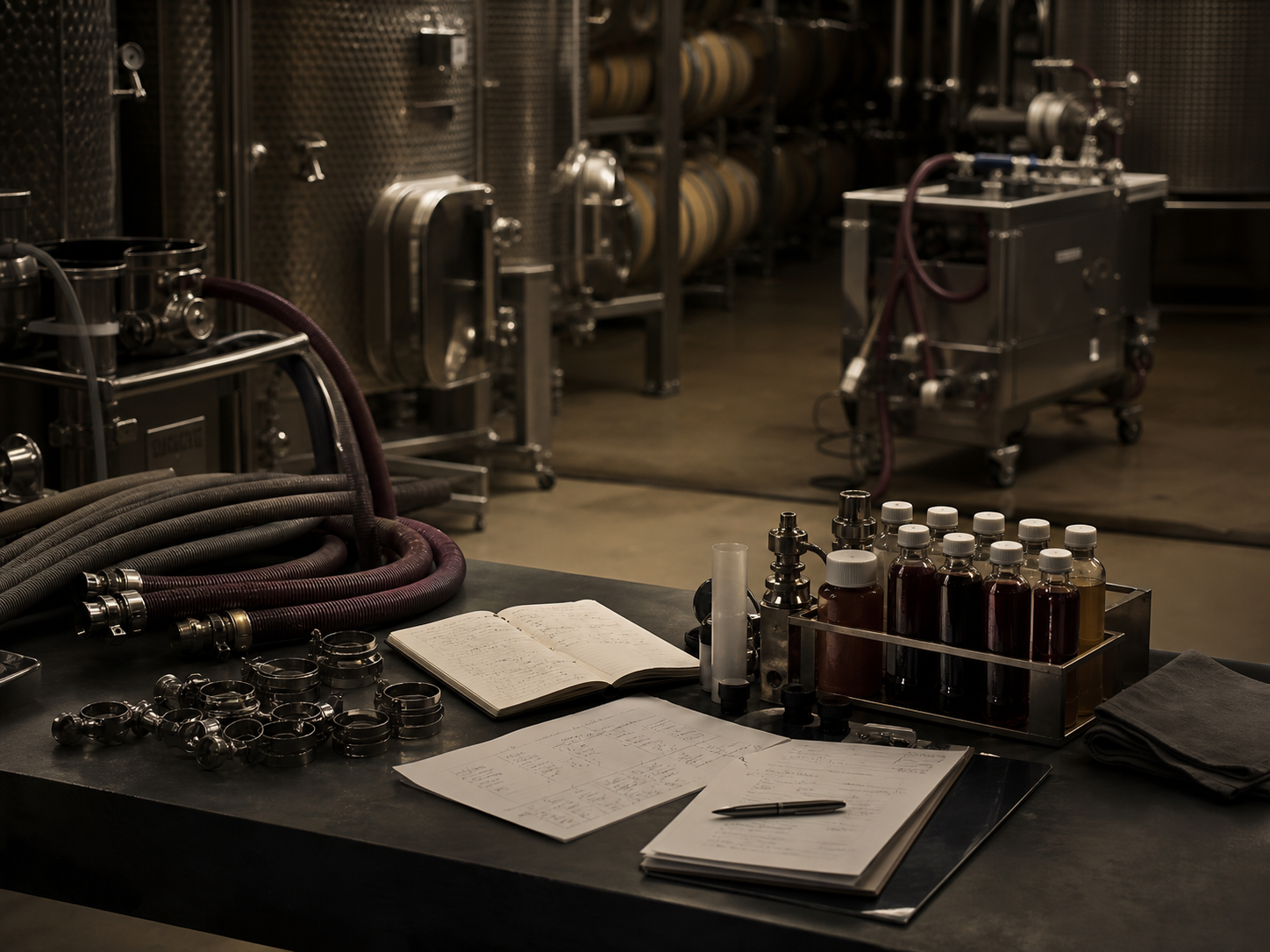
The same tank may need to do more than one job.
Vintage variation, lot size, timing, and capacity pressure can make a fixed tank role feel too narrow. The useful question is whether one physical tank can support more than one cellar role without losing clarity.
Confidence in quiet hours
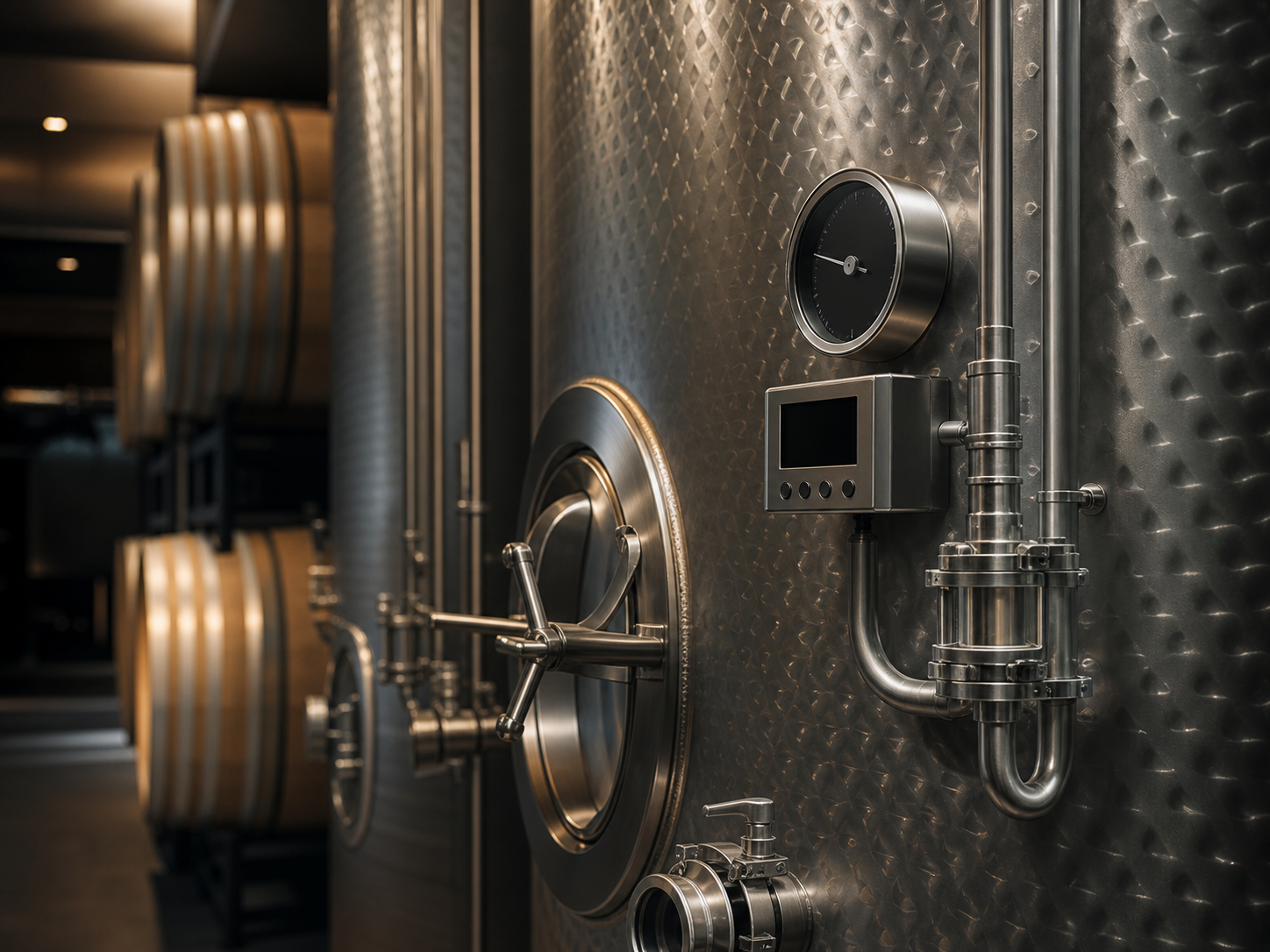
The quiet hour is where trust is tested.
The hardest moment is often when nothing obvious is happening. The question is whether the cellar can let the winemaker wait without turning waiting into unmanaged risk.
The decision
Everseal™ is a system capability, not a standalone product claim.
The point is not to make Everseal™ dominate the site narrative. It is to explain where protected openness and flexible tank roles become a practical system decision.
Equipment roles
Where protected openness becomes equipment roles.
Everseal™ can lead into fermentation and flexible capacity equipment because the physical role has to carry openness, protection, access, and adaptable tank use together.