The Winemaker's Dialogue: Balancing Power and Elegance in Barossa Shiraz
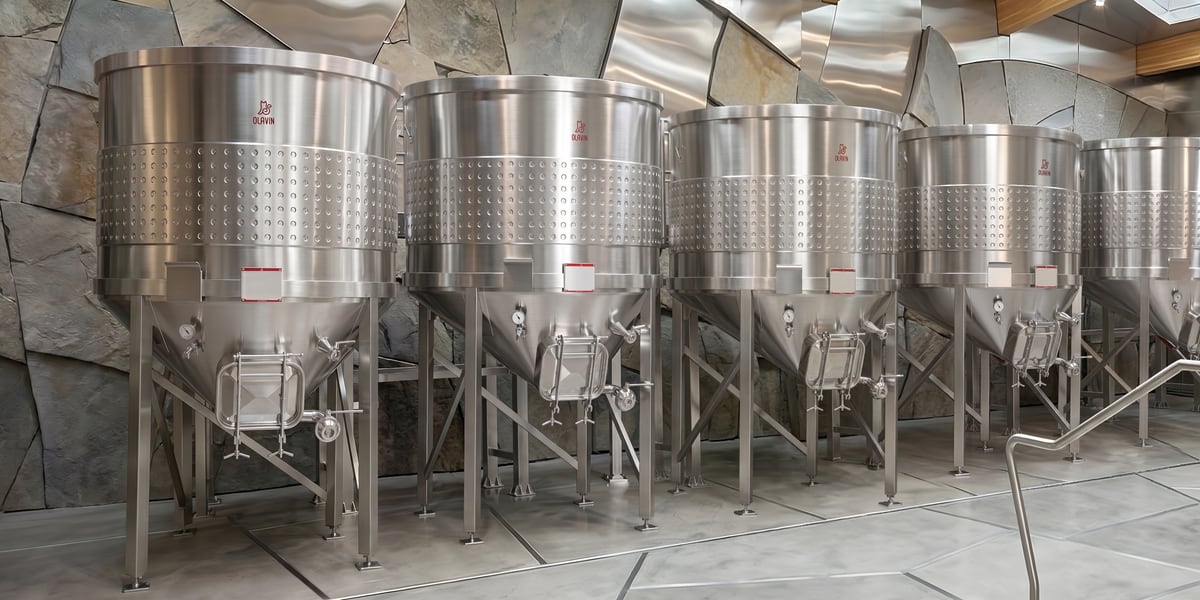
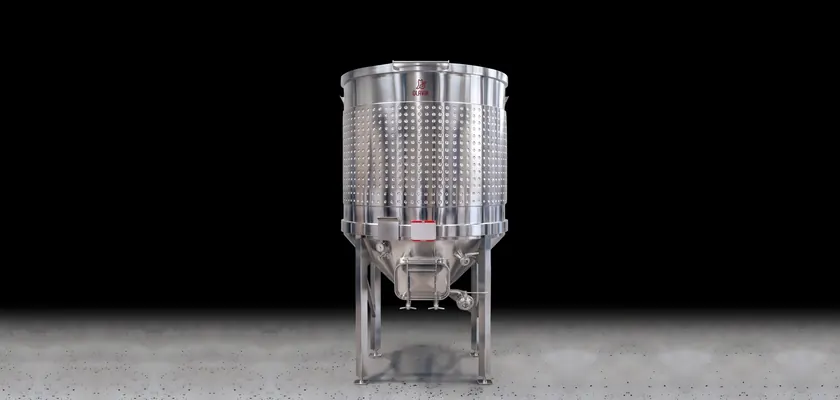
Jason Barrette works Barossa Shiraz in 5-tonne Olavin open-top conical fermenters — by hand, with a heading-down board, and closed with a floating lid once the ferment is done.
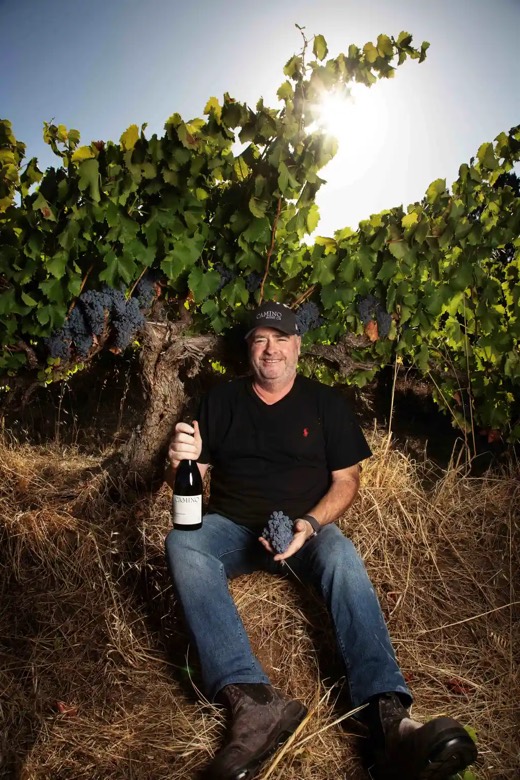
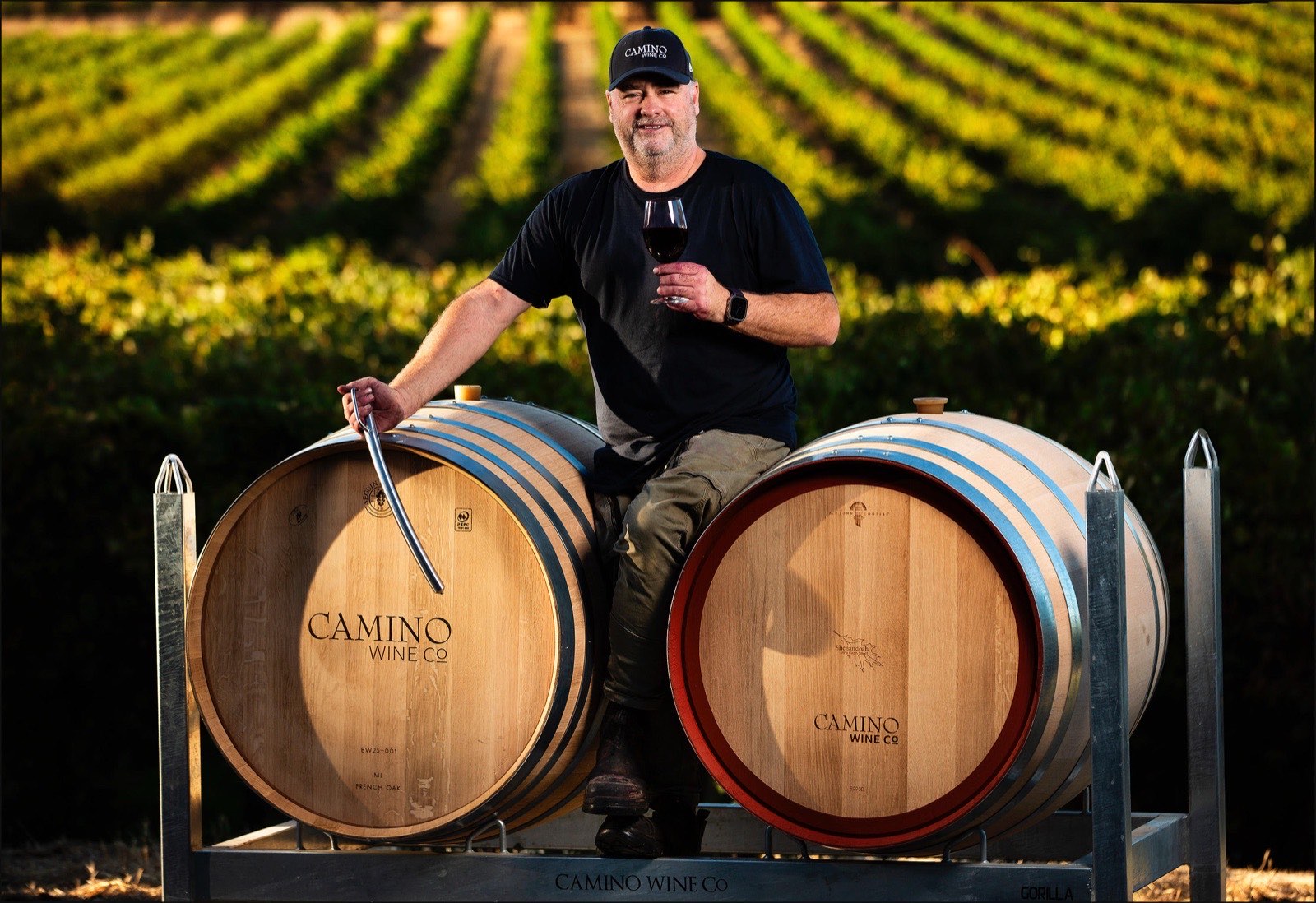
Jason spent twelve years in the Penfolds winemaking team at Magill Estate, working on the house's super-premium reds, before founding Camino Wine Co in the Barossa in 2024. Camino's range runs from Adelaide Hills whites to Barossa Grenache and Shiraz.
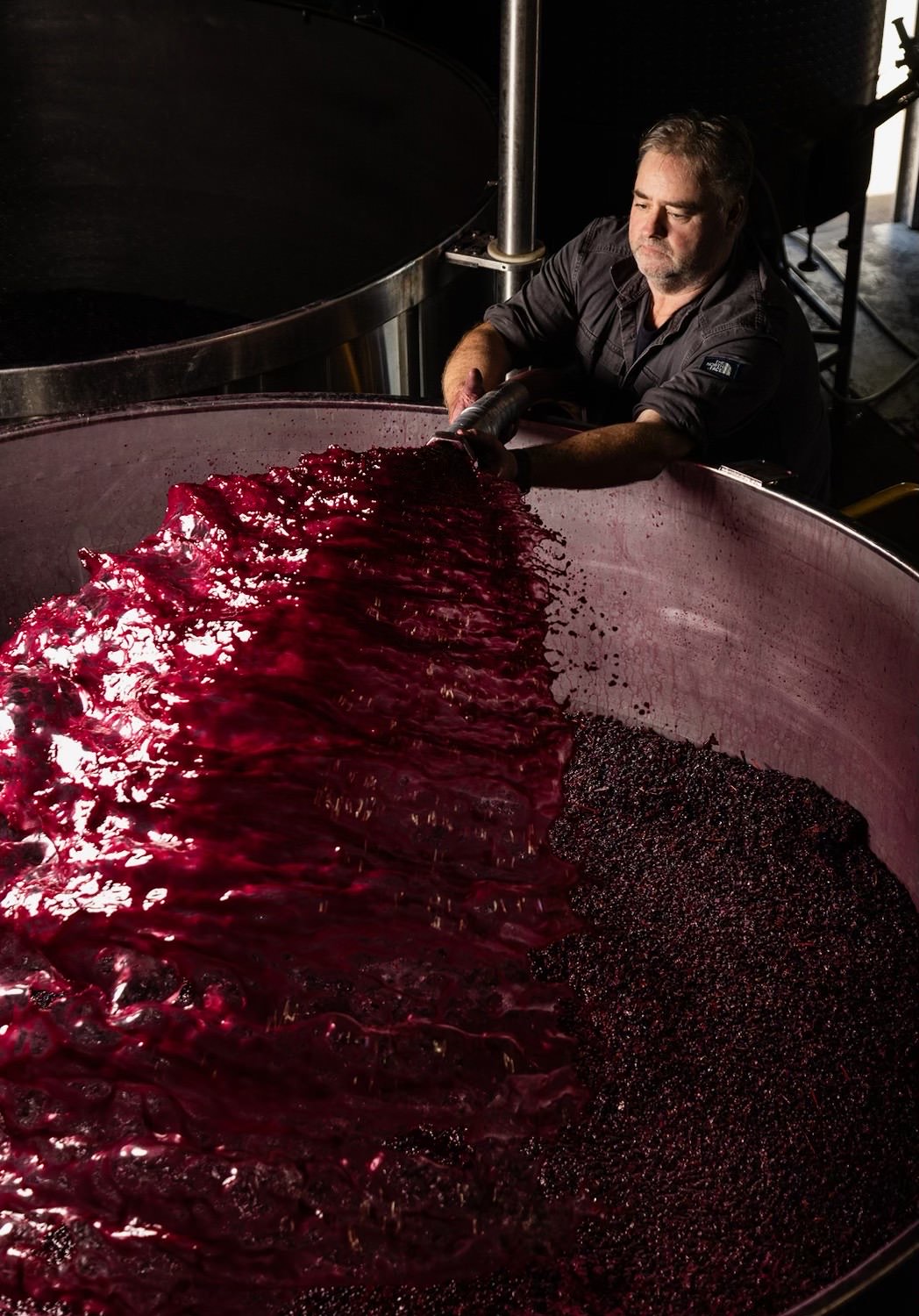
I think of it as an “aromatic infusion” rather than a violent extraction.
Jason Barrette, on working the cap
Written by Jason. Published here unedited.
Here in the Barossa, our relationship with Shiraz is a dialogue that spans generations. The ancient red soils and generous sun of our home bestow an incredible concentration and power upon the grapes. Every ripe berry is like a clenched fist, packed with the energy of dark fruit, spice, and tannin. As winemakers, our mission is not simply to unleash this force, but to guide it; to help that clenched fist unfurl into an elegant, velvety hand that can connect with the palate and soul of the drinker.
This is the core of my winemaking philosophy: finding the exquisite point of balance between power and elegance. It is both an art and a science. Over the years, I’ve learned that to conduct this dialogue perfectly, we need more than just an intimate understanding of our terroir; we need tools that can translate our intentions with absolute fidelity. For me, Olavin’s Open-Top Conical Fermenter has become that essential translator.
Chapter I: The Art of Extraction — A Gentle Awakening, Not a Forceful Demand
Fermentation is the genesis of a wine, and cap management is the most critical chapter of that creation story. Barossa Shiraz has thick skins, laden with phenomenal color and phenolic compounds. While aggressive methods like pumping over can extract these efficiently, the force can be too “blunt,” often pulling harsh, bitter tannins from the skins and seeds that can lead to angular and sometimes harsh, bitter phenolics in the final wine.
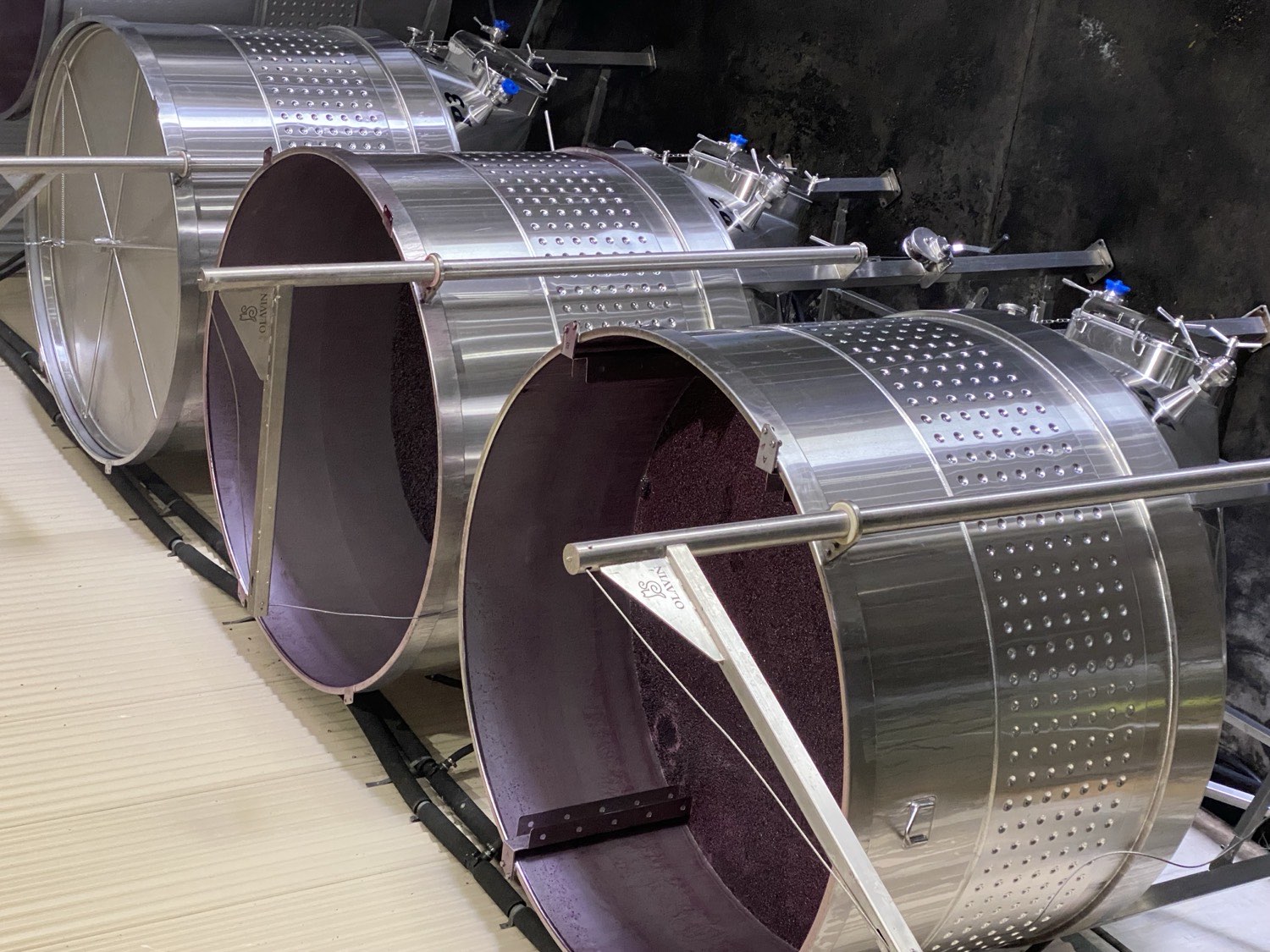
The manual heading-down board, held against the cap. Pressure is applied across the whole surface rather than punched through it.
The open-top design of the Olavin tank, paired with its ingenious manual heading down board, provides the perfect stage. This system is a brilliant fusion of artisanal control and practical design. It features a board that we place at different levels, allowing us to apply even, constant pressure across the entire surface of the cap. Instead of programming a machine, we are physically connected to the process, feeling the resistance of the cap and guiding it down. This tactile feedback allows for a slow, deliberate submergence—a true infusion—rather than a violent plunge, achieving an artisanal level of precision on a production scale.
I think of it as an “aromatic infusion” rather than a violent extraction. I can see the beautiful, intense colour and velvety tannins being gracefully coaxed from the skins, while the seeds remain largely undisturbed at the bottom. The result is undeniable in the glass: a wine with a powerful and complete tannin structure, yet a texture that is as smooth as silk, whilst preserving the varietal red and blue fruit characters inherent to our Shiraz.
Chapter II: The Revolution in Efficiency — Intelligent Geometry and Precision Control
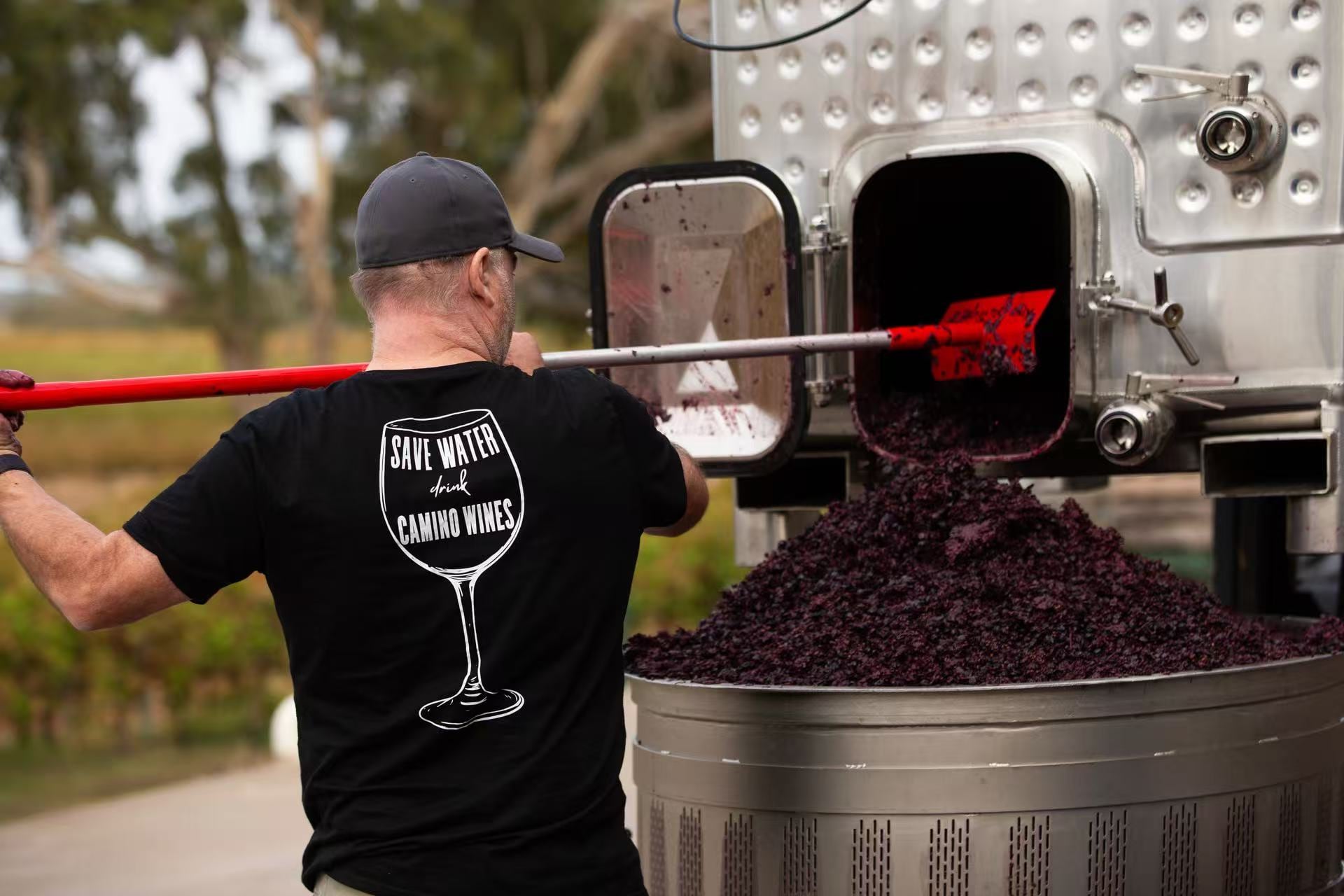
In the non-stop intensity of harvest, efficiency is paramount. The tank’s signature large, off-center conical bottom is a testament to a deep understanding of a winemaker’s workflow. Draining the free-run juice is effortless and thorough. Critically, the remaining pomace naturally slides to one side due to gravity, making the arduous task of “devatting” remarkably easy for my team. There is no requirement to enter the fermenter to dig out the marc, as we need to for some of the traditional open top fermenters on the market, thus reducing the requirement for confined space safety protocols and reducing devatting time.
The row at Camino: 5-tonne open-top conical fermenters, dimple-jacketed, with cooling carried down onto the conical base.
Furthermore, the addition of a cooling jacket on the conical base allows for instant chilling of your precious grape must, particularly if you are progressively filling your fermenter as grapes are being picked in your vineyard. Most fermentation cooling jackets are relatively high on the sides and a large volume of must needs to be present to allow for efficient chilling. Therefore, you are now able to ferment lower tonnages in the fermenter without having to ensure that the must is up to the chill jacket. Another advantage is being able to regulate the temperature of the ferment more efficiently as the juice below the must cap is chilled as well.
Whether we’re conducting a pre-fermentation cold soak to capture pure fruit aromatics or precisely managing the core temperature during the peak of fermentation to prevent burning off delicate esters, this “pinpoint” temperature control gives us absolute command.
Chapter III: The “One-Tank” Philosophy — A Seamless Journey from Fermentation to Maturation
A great wine’s journey doesn’t end with alcoholic fermentation. In the past, this meant multiple rackings to transfer new wine into storage vessels, increasing both labor and the risk of oxidation.
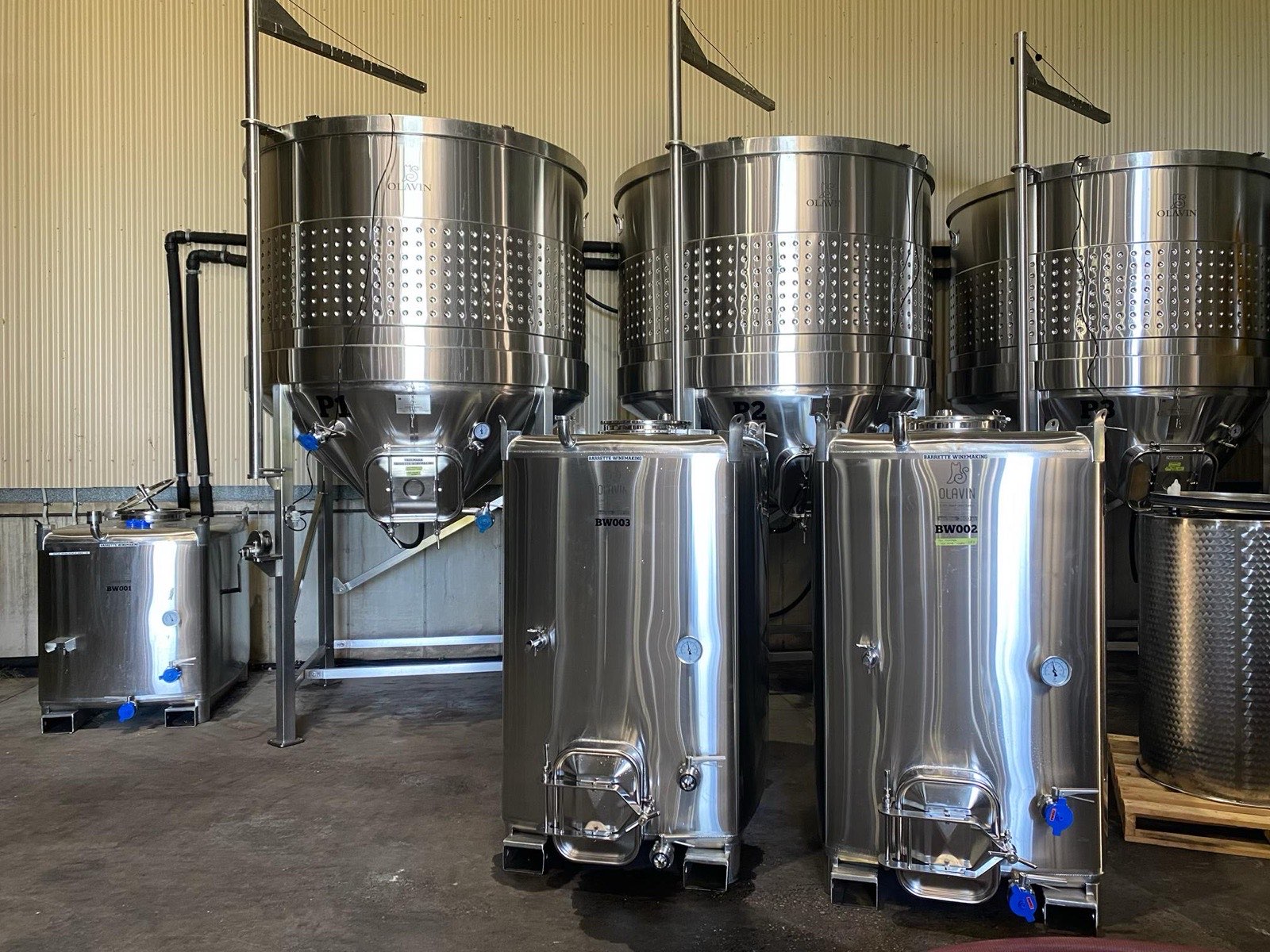
The same row, mid-vintage. The two nearest tanks are still open under their heading-down boards; the tank furthest away has finished its ferment and has been closed with the floating lid for maturation.
The true genius of this fermenter is its versatility. Once the vigorous primary fermentation subsides, we simply install the Olavin floating lid. In that moment, it transforms from a fermentation tool into a superb maturation and wine blending vessel. The lid creates a perfect seal against oxygen, providing a safe, inert environment for Malolactic Fermentation (MLF) or several months of aging. This “one-tank” philosophy not only optimizes our cellar space and workflow but, more importantly, it minimizes intervention and movement, allowing the wine to evolve and develop complexity in the most tranquil state possible.
Conclusion: A Philosophy Enabled by Design
Ultimately, all our techniques and tools serve a single purpose: to allow the wine to speak honestly of its origin. But for us at Camino, this pursuit has an even deeper meaning. Making quality wine accessible and exceeding expectations is our core value. Our mission is to give more people the opportunity to enjoy authentic, exceptionally crafted wine.
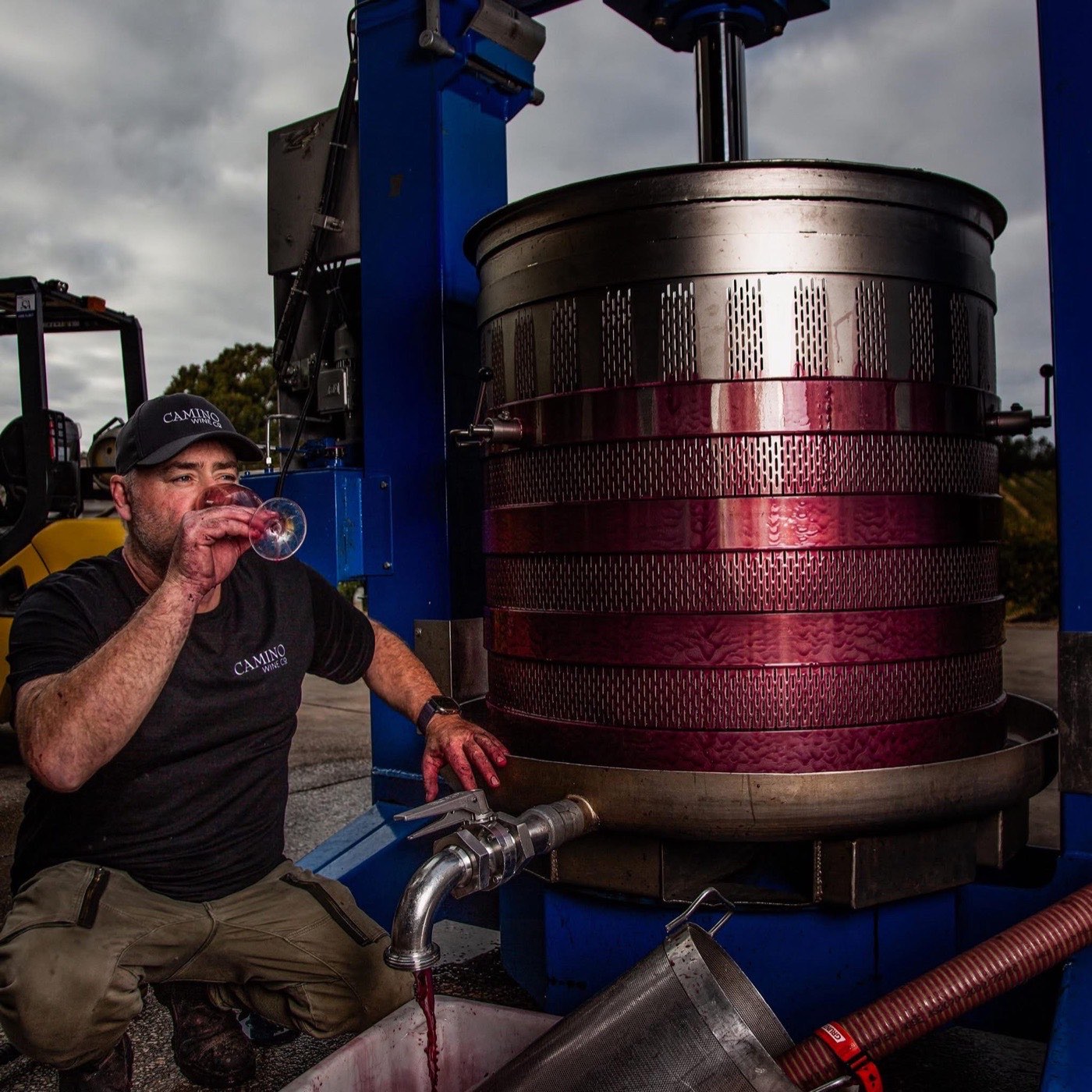
After devatting: the skins to the press, the wine tasted as it runs.
This is where intelligent equipment design becomes more than a convenience; it becomes a cornerstone of our entire philosophy.
In the end, having equipment built for purpose that can maximize winery efficiencies and add to the overall quality of the wine that I produce is invaluable to my overall winemaking philosophy.